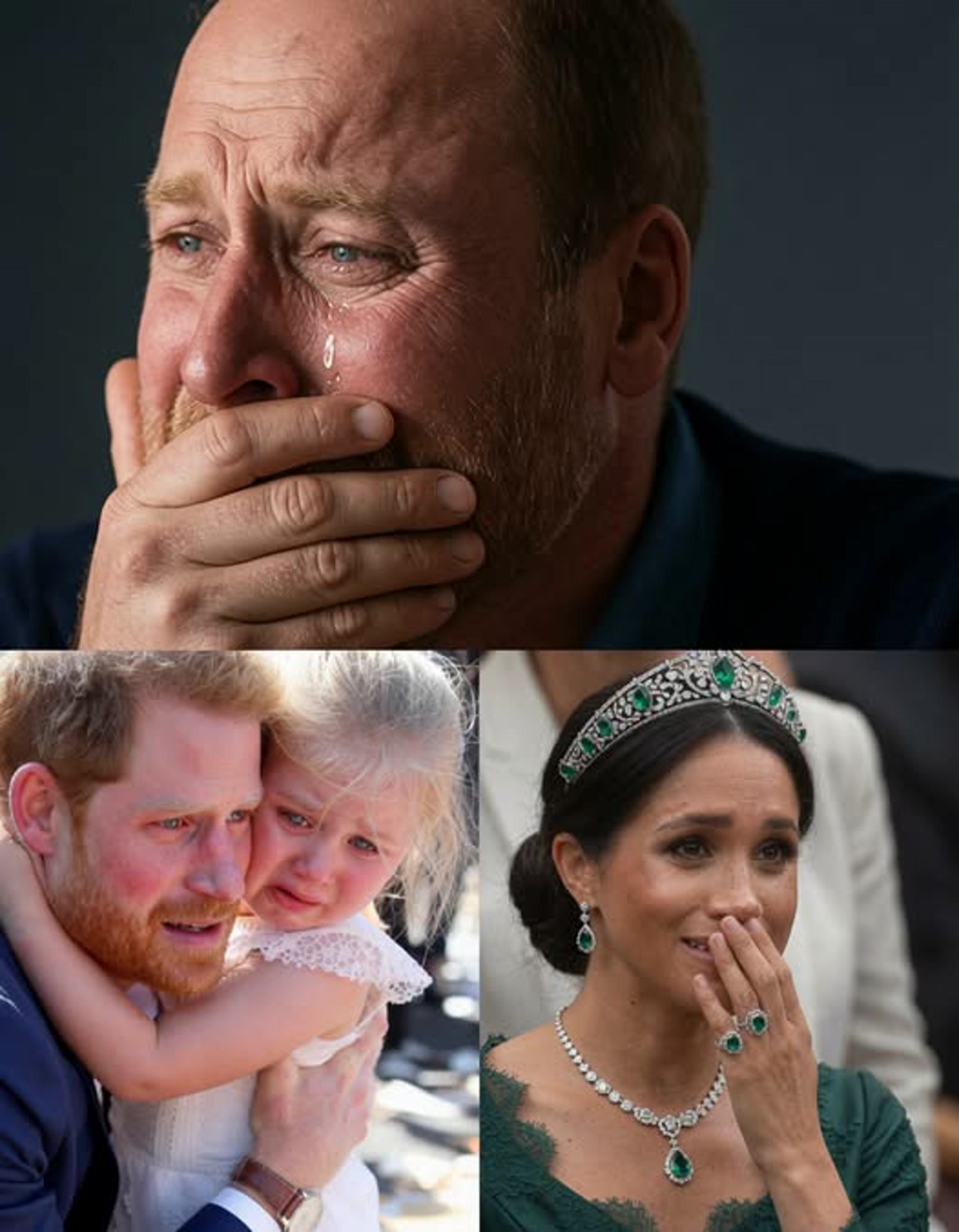
London awoke to an unexpected wave of speculation after reports of an urgent announcement began circulating across social media. Within minutes, thousands of people were sharing posts claiming that a major development involving a senior member of the royal family had occurred.
As the rumors spread, crowds gathered outside Buckingham Palace and news organizations rushed to verify the claims. Television crews set up their cameras while people refreshed their phones, hoping for reliable information instead of conflicting online posts.
Inside the palace, officials prepared to address the growing speculation. Rather than allowing misinformation to spread unchecked, they emphasized the importance of waiting for an official statement before drawing conclusions.
The announcement, when it finally came, revealed that the rumors had greatly exaggerated the situation. Although there had been an unexpected development involving Prince Andrew, many of the sensational claims circulating online were inaccurate or incomplete.
The incident quickly became an example of how rapidly misinformation can spread during moments of uncertainty. Experts reminded the public that dramatic headlines often prioritize clicks over accuracy and that official sources remain the best place to confirm important news.
By the end of the day, the crowds had dispersed, and many people reflected on how easily social media rumors can overshadow verified facts. The event served as a reminder to pause, verify information, and avoid sharing unconfirmed reports—especially when they involve public figures or sensitive subjects.