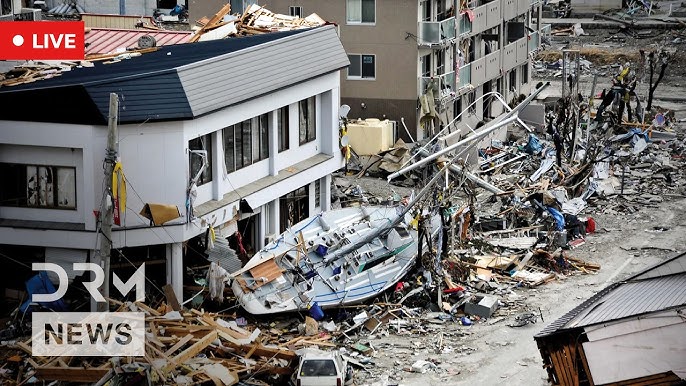
Devastating 7.8 Magnitude Earthquake Hits Southern Japan
A powerful 7.8-magnitude earthquake has reportedly struck southern Japan, sending shockwaves across the region and triggering widespread panic among residents. The powerful tremor was felt across several prefectures, shaking buildings, disrupting transportation, and prompting emergency authorities to launch a large-scale response as they assessed the full extent of the damage.
The earthquake occurred during the early hours of the day, catching many people by surprise. Witnesses described violent shaking that lasted for nearly a minute, causing furniture to topple, windows to shatter, and power outages in numerous neighborhoods. Residents rushed out of homes, apartment buildings, and businesses, gathering in open spaces as aftershocks continued to rattle the area.
Emergency sirens echoed through coastal communities as officials quickly issued tsunami advisories for parts of southern Japan. While authorities urged residents near the shoreline to move to higher ground as a precaution, emergency management teams closely monitored sea levels for any unusual activity. Many ports temporarily suspended operations while fishing boats returned to safer waters.
Local fire departments, police units, and rescue crews were immediately deployed to areas believed to have suffered the strongest shaking. Initial reports indicated that several roads had developed cracks, bridges were being inspected for structural damage, and train services across affected regions were temporarily halted to ensure passenger safety.
Hospitals activated emergency response protocols to prepare for an influx of injured individuals. Medical staff worked tirelessly to treat patients suffering from cuts, fractures, and other earthquake-related injuries. Ambulances were seen transporting victims from damaged neighborhoods while emergency shelters opened their doors for families displaced by the disaster.
Air travel was also affected, with several airports delaying or canceling flights until runways and airport facilities could be thoroughly inspected. Travelers were advised to check with airlines for updated schedules as transportation officials worked to restore normal operations.
Utility companies reported interruptions to electricity, water, and communication services in several districts. Repair crews were dispatched immediately, though officials warned that restoring full service could take time depending on the severity of infrastructure damage. Residents were encouraged to conserve water and electricity whenever possible.
Schools throughout the affected region canceled classes while engineers inspected classrooms and public buildings for structural safety. Government offices remained operational to coordinate relief efforts and provide assistance to communities in need.
Japan’s sophisticated earthquake monitoring network successfully detected the seismic event within seconds, allowing emergency alerts to be sent to millions of mobile phones before the strongest shaking reached many locations. These early warning systems, developed after decades of experience with major earthquakes, once again demonstrated their importance in helping people take immediate protective action.
Seismologists warned that significant aftershocks could continue for days or even weeks following an earthquake of this magnitude. Residents have been advised to remain alert, avoid entering damaged buildings, and prepare emergency supplies including food, drinking water, flashlights, medications, and battery-powered radios.
Community volunteers joined professional emergency responders to distribute blankets, bottled water, and food to evacuees staying in temporary shelters. Across social media, messages of support poured in from around the world as people expressed concern for those affected by the disaster.
International leaders also offered condolences and pledged assistance should Japan require additional humanitarian support. Disaster response organizations indicated they were prepared to provide specialized rescue teams and emergency supplies if requested by Japanese authorities.
As daylight revealed the full scope of the earthquake’s impact, assessment teams continued surveying neighborhoods, transportation networks, and public infrastructure. Officials emphasized that the priority remained protecting lives, restoring essential services, and ensuring residents had access to shelter and medical care.
Authorities continue to urge the public to rely on official government announcements for verified information and safety instructions while recovery efforts remain underway. Although Japan is among the world’s most earthquake-prepared nations, powerful natural disasters serve as a reminder of the importance of preparedness, resilient infrastructure, and community cooperation during times of crisis.
Rescue operations and damage assessments are expected to continue over the coming days as officials work toward restoring normal life for the communities affected by this devastating seismic event.