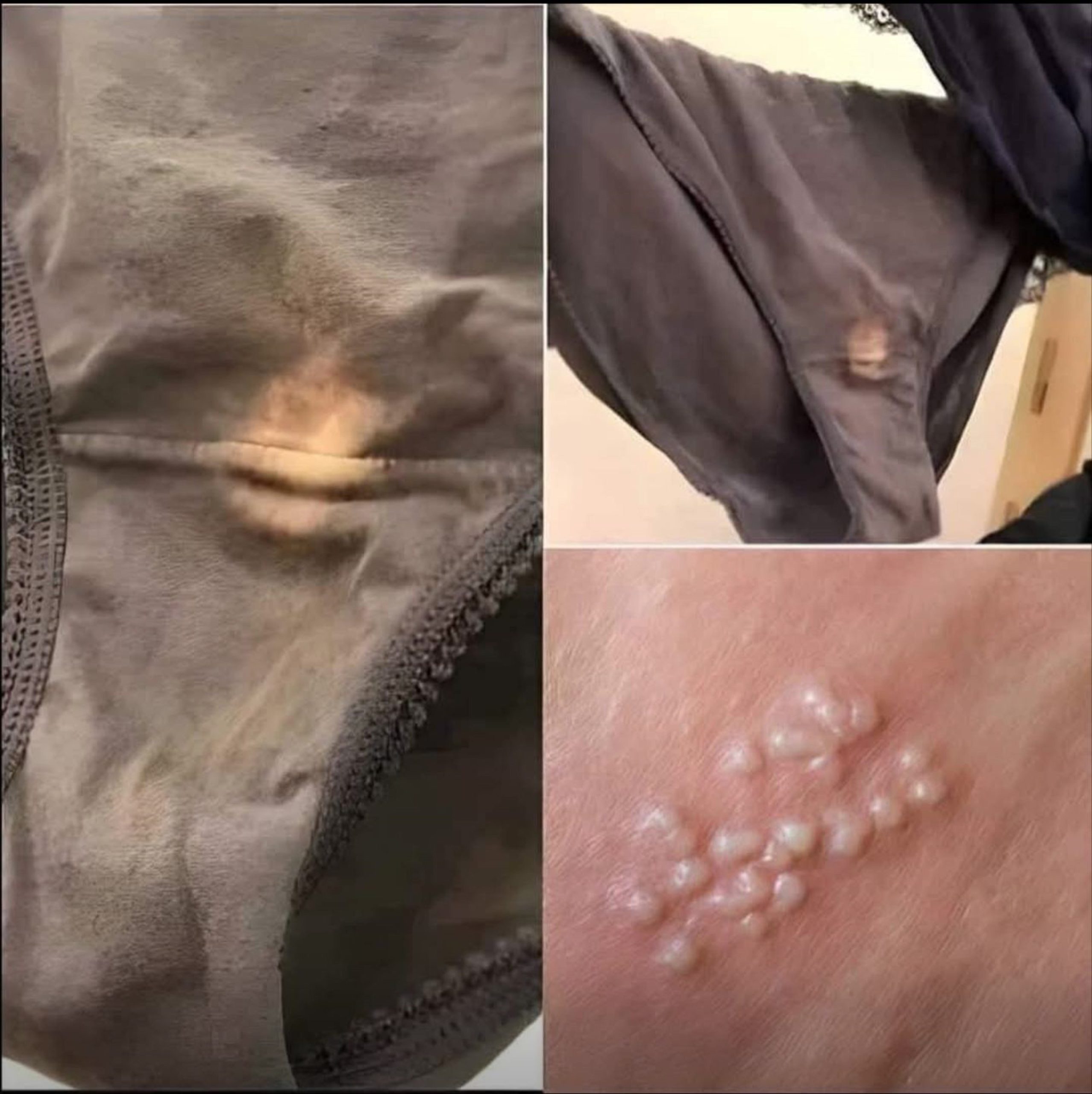
Our skin often provides valuable clues about what’s happening inside our bodies. While many spots, bumps, and tiny dots are completely harmless, some changes in your skin can signal that it’s time to pay closer attention. Knowing the difference can help you decide when to simply monitor a spot and when to consult a healthcare professional.
One common type of skin change is tiny red or purple dots that don’t fade when you press on them. These can have several causes. Sometimes they result from minor injuries, strenuous exercise, or even coughing or vomiting. In other cases, they may be associated with certain medications, infections, or conditions that affect the blood or blood vessels.
Small, bright-red raised spots, often called “cherry angiomas,” are another common finding. These harmless growths become more frequent with age and usually don’t require treatment unless they bleed frequently or become bothersome.
Brown spots, freckles, and moles are also common. Most remain unchanged for years, but it’s important to watch for changes in size, shape, color, or border. Dermatologists often recommend using the “ABCDE” rule to evaluate moles:
- A – Asymmetry: One half doesn’t match the other.
- B – Border: Edges are irregular or blurred.
- C – Color: Multiple colors or uneven coloring.
- D – Diameter: Larger than about 6 mm, although smaller lesions can also be concerning.
- E – Evolving: The spot changes over time.
If you notice any of these warning signs, schedule an appointment with a healthcare professional for an evaluation.
Tiny white bumps can be milia, which are small cysts filled with keratin. These are generally harmless and often disappear on their own. Likewise, many small skin tags, especially around the neck or underarms, are benign, though they can be removed if they become irritated.
Some rashes or clusters of spots may develop after exposure to allergens, insect bites, new medications, or viral infections. While many improve with home care, seek medical attention if a rash spreads rapidly, is accompanied by fever, severe pain, difficulty breathing, or swelling of the face or throat.
It’s also worth paying attention to skin changes that don’t heal. A sore, scaly patch, or bump that persists for several weeks deserves medical evaluation, particularly if it bleeds easily or continues to grow.
The good news is that the vast majority of skin changes are not signs of a serious illness. However, because it’s impossible to diagnose a skin condition based on appearance alone, it’s always best to have concerning changes examined by a qualified healthcare provider.
Your skin is your body’s largest organ, and paying attention to it is an important part of staying healthy. Performing regular self-checks, protecting your skin from excessive sun exposure, and seeking medical advice when you notice unusual or persistent changes can make a meaningful difference.
Remember, online articles can provide general information, but they should never replace professional medical evaluation. If you notice new or unusual spots on your skin, especially those that change, spread, bleed, or are accompanied by other symptoms, contact a healthcare professional for personalized advice and diagnosis.